Use this simple fall homestead reset to organize clothing, preserved food, household supplies, meals, routines, and projects before winter.
Fall is one of the busiest transition points on the homestead. The garden may still be producing, food preservation is not totally finished, school schedules are starting again, and cooler weather brings an entirely new list of projects.
A lot of fall homestead preparation happens outdoors. We clean up garden beds, prepare animal shelters, repair fences, stack firewood, and put equipment away before winter. Those jobs are important, but the household needs a seasonal reset, too.
A Simple Fall Homestead Reset
After a summer of gardening, preserving food, traveling, and having the children home more often, my house usually needs some attention. The pantry may be full, but that does not mean it is organized. The freezers are often packed with food that may or may not be labeled. Fall clothes are still stored away, the baking supplies are running low, and our summer routine no longer fits the school-year schedule.

Right now, we are juggling 4 sports schedules, the back to school routine, gleaning for food pantries (August is a busy month for this), preserving a load of bell peppers, getting one last batch of meat birds finished out, along with all the other bits and pieces of our daily lives.
A fall homestead reset does not mean deep-cleaning every room or reorganizing everything you own. The goal is simply to make the house function better for the season ahead. A few intentional changes can make school mornings, fall meals, baking days, and cooler-weather projects much easier to manage.
12 Tasks to Reset Your Household for the New Season
1. Create a Fall Homestead Reset List
Before I begin moving bins or pulling everything out of the pantry, I like to make one master list. Otherwise, I tend to bounce from room to room and end up with five half-finished projects.
Walk through the house with a notebook and write down anything that needs attention before winter. You may notice that the children need new coats, the pantry shelves are sticky, your favorite soup pot is missing a lid, or the batteries in the flashlights have not been checked recently.
Divide your list into a few basic categories:
- Clothing and linens
- Pantry and food storage
- Freezer organization
- Household supplies
- Meals and routines
- Indoor projects
- Outdoor winter preparation
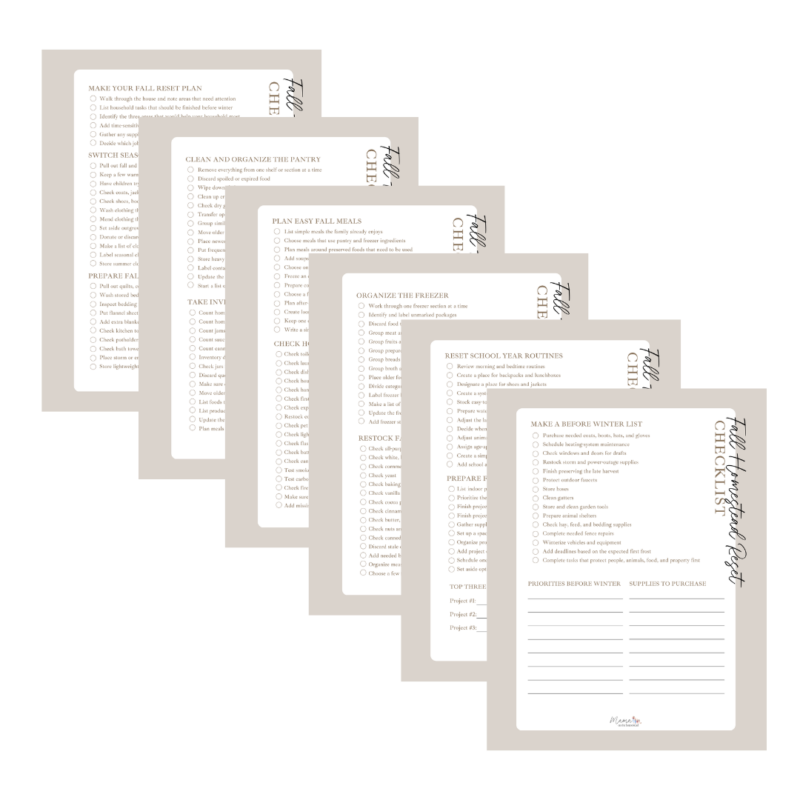
Download this FREE printable Fall Homestead Checklist for a head start!
You do not need to finish the entire list in one weekend. Choose the tasks that will make the biggest difference in your daily life, then work through the rest as time and energy allow.
If you also need help preparing your land, livestock, garden, and equipment, use this Fall Homestead Checklist and The Homestead Management Planner alongside your household reset. That checklist focuses on preparing the working parts of the homestead for colder weather, while this one helps you get the home itself ready.
2. Switch Out Seasonal Clothing
Fall weather can be unpredictable, especially here in Tennessee. We may need jackets in the morning and short sleeves by the afternoon. Instead of packing away every summer item at once, I keep a few warm-weather clothes available while bringing out layers for cooler days.
Go through each family member’s clothing and pull out jeans, long-sleeved shirts, sweatshirts, jackets, and warmer pajamas. Have the children try on anything that may have been outgrown since last fall. Check coats before the first truly cold morning, and make sure everyone has usable shoes, socks, and rain gear.
As you sort, create separate piles for clothing that needs to be:
- Put into drawers or closets
- Washed
- Mended
- Passed down to a younger child
- Donated
- Replaced
This is also a good time to label storage bins clearly. A bin marked “Girls’ Clothes” is not nearly as helpful as one labeled “Girls’ Winter Clothes, Sizes 8–10.” Specific labels save time when the next child needs those items. I like using label stickers with paint markers, like these, for my storage bins and pantry containers.
Keep a small basket near the laundry area for clothing that needs a button, patch, or other simple repair. Try to work through the basket as part of the seasonal reset so those clothes are ready when they are needed.
3. Pull Out Fall Linens
Once the nights begin cooling down, lightweight summer bedding may no longer be enough. Pull out quilts, heavier blankets, flannel sheets, and extra throws. Wash anything that smells stale or musty after being stored, and inspect each item for stains, holes, or other damage.
You don’t need a complete collection of seasonal decor to make the house feel ready for fall. Changing a few practical items can be enough. Bring out a warmer tablecloth, place a washable throw over the couch, and add heavier blankets to the beds.
Check your bath towels, kitchen towels, hot pads, and dishcloths while you are working with the linens. Fall usually means more soups, breads, baking projects, and from-scratch cooking in my kitchen, so I want those everyday items clean and easy to reach.
If you keep extra blankets for winter storms or power outages, make sure they are clean and stored somewhere accessible. Blankets tucked into the back of a packed attic will be difficult to reach when you actually need them.
4. Clean and Organize the Pantry
By the end of summer, my pantry usually shows just how busy the growing season has been. There may be empty boxes, scattered canning supplies, half-used bags of sugar, and jars tucked into any space I could find.
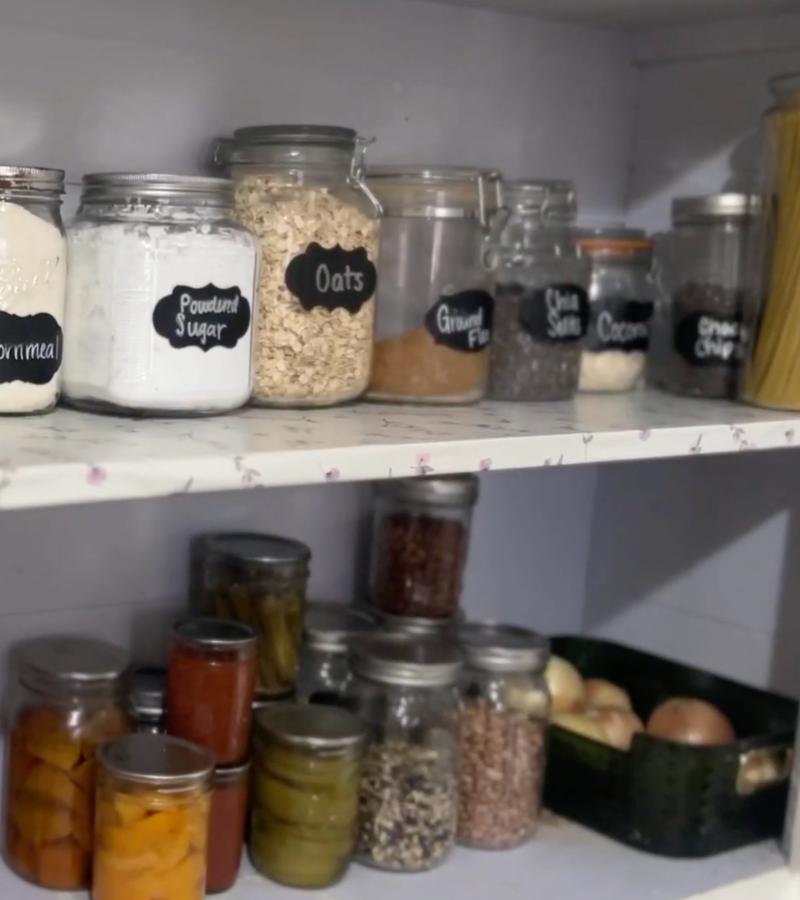
You do not need matching containers or a completely redesigned pantry. Start by removing spoiled or expired food, wiping down the shelves, and grouping similar ingredients together.
Common pantry categories might include:
- Baking supplies
- Breakfast foods
- Canned vegetables
- Pasta, rice, and grains
- Beans and legumes
- Snacks
- Herbs and spices
- Home-canned foods
Place frequently used ingredients where they are easiest to reach. Store heavy jars and bulk foods on sturdy lower shelves. Move older food toward the front so it will be used first, then place newer items behind it.
Watch for open bags of flour, cornmeal, oats, and other dry goods that may attract pantry pests. Transfer those foods into sealed containers whenever possible, and clean up crumbs or spills before replacing everything on the shelves.
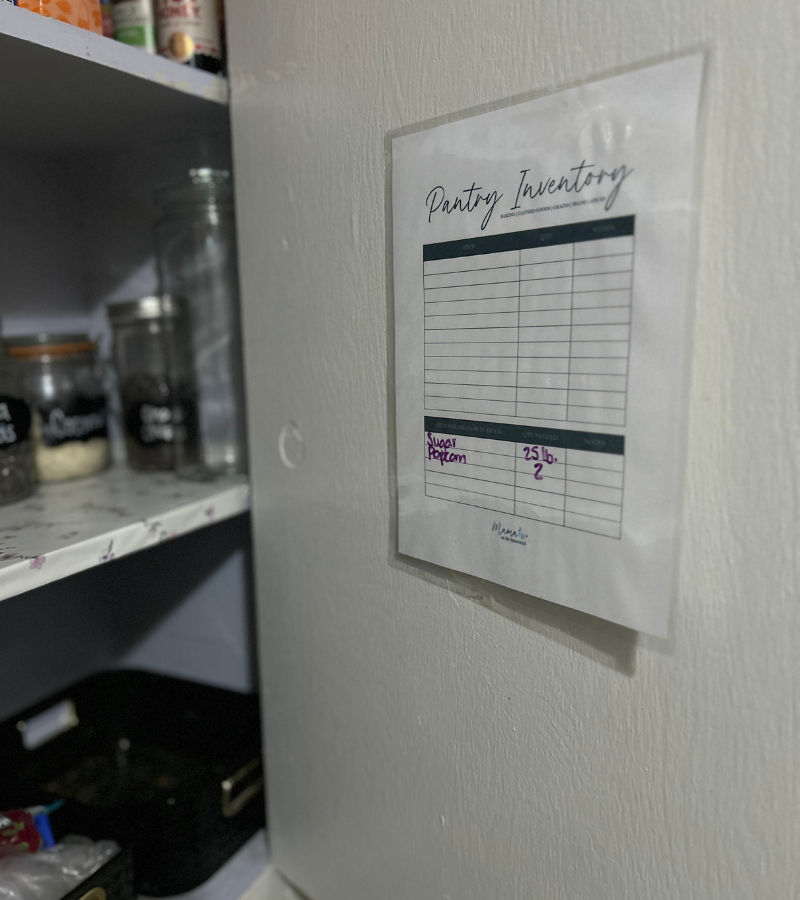
Keep a running pantry list on the refrigerator, inside a cabinet door, or in your household planner. When someone uses the last of an ingredient, it can go directly onto the list instead of depending on you to remember it several days later.
5. Take Inventory of Preserved Food
One of the most satisfying parts of fall is seeing shelves filled with food that was grown or purchased in season and preserved for later. However, a full shelf does not always mean you have everything your family needs.
Count your jars and record what you have. Include canned vegetables, fruits, jams, pickles, sauces, relishes, broths, meats, and dehydrated foods. Make a note of anything that still needs to be preserved before the growing season ends.
Check every jar as you work. Look for broken seals, leaks, cracks, bulging lids, unusual discoloration, spurting liquid, mold, or other signs that the food may be unsafe. Never taste questionable home-canned food to determine whether it is safe.
Check your labels as you inventory the jars. Each jar should include the name of the food and the date it was preserved. If several batches look similar, include any other information that will help you identify them later.
Your inventory can also guide your fall meal planning. If you canned twenty jars of green beans but only six jars of tomato sauce, you will know which foods to use regularly and which ones to reserve for specific meals.

6. Organize the Freezer
Freezer organization is one of those jobs I tend to avoid until I can no longer find anything. Then I buy another package of chicken, only to discover three packages buried underneath the frozen corn.
Choose a day when you can work quickly and remove only one section at a time. Keep the freezer closed as much as possible while you sort. Group similar foods together, check labels, and discard food that is spoiled or no longer safe to use.
Freezer burn affects food quality, but it does not automatically make food unsafe. If you cannot identify an item or do not know how long it has been stored, use your best judgment and follow current food-safety guidance.
You might organize the freezer by:
- Meat
- Vegetables
- Fruit
- Prepared meals
- Bread and baked goods
- Broth and soup ingredients
I keep beef, frozen veggies, and bone broth in one deep freezer, while my homegrown chickens go in another one by themselves.
Baskets, reusable shopping bags, or inexpensive plastic bins can keep smaller packages from falling to the bottom. Label the containers so other family members know where food belongs.
Create a written freezer inventory and keep it somewhere convenient. Record the type of food and the number of packages. Cross items off as you use them, then add new food when it goes into the freezer.
This is especially helpful after putting up large amounts of sweet corn, bell peppers, peaches, broth, or meat. An inventory allows you to build meals around what you already have before spending more at the grocery store.
My printable pantry, freezer, household, and homestead inventory lists are available in the Member Resource Library.
7. Restock Fall Baking Staples
Cooler weather usually brings more baking into our kitchen. We make breads, biscuits, cobblers, cookies, and simple desserts more often once the heat of summer begins to settle down.
Check your supply of flour, sugar, brown sugar, powdered sugar, cornmeal, oats, yeast, baking powder, baking soda, vanilla, cocoa powder, and commonly used spices. Look at expiration or best-by dates, especially on yeast and leavening agents, since older products may not work as well.
Fall is also a good time to restock cinnamon, nutmeg, cloves, ginger, and any other seasonings you use in cooler-weather recipes. Check your supply of butter, shortening, chocolate chips, nuts, canned pumpkin, and dried fruit.
Only stock what your family will realistically use. Buying ingredients in bulk does not save money if the food becomes stale or attracts pests before you can use it.
If the children enjoy baking with you, gather simple tools such as measuring cups, wooden spoons, mixing bowls, and aprons in one accessible area. Making the supplies easy to reach gives them more opportunities to help instead of leaving the entire project to Mama.


8. Check Household Supplies
Fall is also a good time to check the practical supplies that keep the household running. Winter weather, sickness, school activities, and full project days can make last-minute shopping more difficult.
Take inventory of:
- Toilet paper and paper towels
- Laundry and dishwashing supplies
- Basic cleaning ingredients
- Soap and personal care products
- Light bulbs and batteries
- First-aid supplies
- Common over-the-counter medicines
- Pet food
- Flashlights
- Matches or lighters
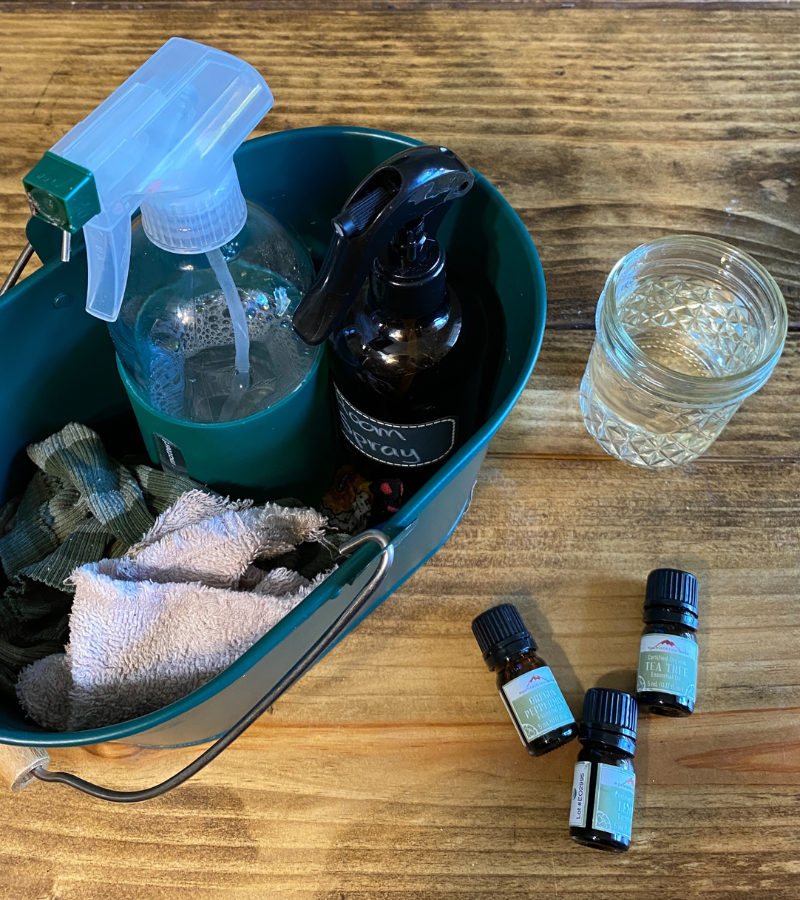
Check the expiration dates on medicines and first-aid products. Refill all homemade cleaning supplies. Store all medicines, matches, lighters, and potentially dangerous cleaning supplies where children cannot reach them.
Check smoke alarms and carbon monoxide alarms, especially before using fireplaces, wood stoves, space heaters, or other heating equipment. Make sure fire extinguishers are accessible and that the adults and older children in the home know where they are stored.
You do not need to buy several months’ worth of everything. The purpose is simply to identify what is missing before you need it.
9. Plan Easier Fall Meals
Fall can be a productive season, but it can also be exhausting. School schedules return just as garden harvesting, food preservation, livestock care, and winter preparation demand more attention.
This is not the time to plan a complicated supper for every night of the week.
Make a list of simple meals your family already enjoys. Focus on recipes that use pantry staples, preserved food, and ingredients from the freezer. Soups, chili, casseroles, roasted meats, baked potatoes, beans, pasta, and slow-cooker meals all work well for busy fall days.
Choose a few meals that can be doubled. Serve one portion for supper and freeze the second for a night when you are working late, attending a school event, or trying to finish an outdoor project before the weather changes.
My Family’s Favorite Meals:
- Cheesy Chicken Enchiladas: the hands-down favorite!
- Cottage Pie: My oldest kiddo’s fav- He will eat the whole thing so I make 2 batches!
- Poor Man’s Meal: This was my favorite as a kid, too.
- Turkey Sliders: super easy for weeknights
- 3-Bean Chili: the kids like for me to add whole kernel corn
Many more meals that I feed my family can be found inside The Homemade Household!
You can also prepare individual meal components instead of complete freezer meals. Cook and freeze shredded chicken, corn (on or off the cob), browned ground beef, broth, beans, pepper slices, muffins, and loaves of bread. These basics can shorten meal preparation without requiring an entire freezer-cooking day.
Try giving each busy weeknight a loose meal category, such as soup night, pasta night, slow-cooker night, or leftovers night. The categories give you some direction while still leaving room to use what you already have.

10. Adjust Household Routines for School
Summer routines rarely fit once school begins. Bedtimes change, mornings move faster, papers begin coming home, and evening activities compete with supper and household chores.
Instead of trying to force the summer routine into the school year, take a few minutes to decide what needs to change.
Prepare a landing place for backpacks, lunchboxes, shoes, and school papers. It does not have to be elaborate. A few hooks, a basket, and a designated counter space can prevent the morning search for missing items. I put up this simple rack in my laundry room to hold backpacks and it works great!
Move household tasks to times that make more sense for the new schedule. Laundry may need to be started earlier. Supper preparation may work better immediately after school pickup. Animal chores might need to happen before homework or after sports practice.
Include the children in this part of the reset. They can refill water bottles, lay out clothes, pack snacks, match socks, gather eggs, or complete other age-appropriate chores. The home should not depend on one person remembering and managing every detail.
My adjusted fall routine usually looks like this:
- 4:30-6:00 Wake Up/Quiet Time
- 6:00 Wake Kids and Get Ready for the Day- Light chores during this time→ feed animals, swap dishes and laundry (put away if time allows), sweep, and tidy
- 7:00-8:00 Kids off to School (if you homeschool this may be wildly different)
- 8:00-9:00 Gym
- 9:15-3:15 Work
- 3:15-4:00 Housework & Prep Supper
- 4:00 Kids’ afternoon chores and downtime
- 5:00 Supper & Kitchen Cleanup
- 5:30-7:30 Practices/Games
- 7:30-9:30 Bedtime routines and sleep (fit evening chores in wherever we can)
If your home feels like it has gotten a little chaotic over the summer, now is a good time to reset your routines, cleaning schedule, meals, and household responsibilities. You don’t have to keep all of those details in your head,the Household Management Planner was created to help busy mamas organize routines, chores, meal planning, grocery shopping, household projects, and more.

11. Prepare for Cooler-Weather Projects
Once outdoor growing and preserving slow down, fall and winter may provide more time for household projects that were neglected during summer.
Make a list of indoor tasks you would like to complete, but keep it realistic. You might organize family photographs, mend clothing, paint a room, repair furniture, update the household budget, make Christmas gifts or ornaments, or work through a stack of paperwork.
Gather the supplies for your highest-priority projects before cold weather arrives. If a project requires working outside, using an unheated building, or leaving windows open for ventilation, try to complete it earlier in the season.
This is also a good time to set up a comfortable workspace for sewing, planning, crafting, writing, or managing homestead records. You will be more likely to work on those projects if the supplies are organized and ready to use.
12. Make a Before-Winter List
Finish your fall homestead and household reset by creating one list of tasks that truly need to be completed before winter. This list can include both household needs and outdoor homestead work.
Your list may include:
- Purchase coats or boots
- Schedule heating-system maintenance
- Check for drafts around windows and doors
- Clean gutters
- Protect outdoor faucets
- Store garden tools
- Check hay and feed supplies
- Prepare beehives for cold weather
- Restock storm supplies
- Winterize livestock shelters
- Prepare livestock waterers for freezing weather
- Finish preserving late harvests
- Repair fencing
- Store hoses
- Restock all winter homestead supplies
- Winterize vehicles and equipment
Prioritize the jobs that protect people, animals, food, and property. Give time-sensitive projects a deadline based on your local climate and typical first-frost date. Decorative projects and optional organizing tasks can wait if the more important work takes longer than expected.
Don’t Let This Fall Homestead Reset Overload You
A fall homestead reset should make the coming season easier. It should not leave you exhausted before fall has fully begun.
Work in small sections, finish one area before beginning another, and involve the family whenever possible. Start with the places that affect your days the most. For me, that is usually the pantry, freezer, clothing, and meal plan.
The house does not need to be perfectly organized for your family to be prepared. You simply need to know what you have, what you need, and what should be finished before colder weather arrives.
When the household and the working homestead are prepared together, everyday tasks become more manageable. You can find the ingredients you need for supper, pull out a warm coat on the first chilly morning, and begin winter projects without having to search for supplies.
Choose one section of your home to reset this week. Start with the pantry, freezer, clothing, or whichever area would make the biggest difference for your family right now. Then, work through the rest of your list a little at a time.
What is the first thing you plan to tackle during your fall homestead reset?
Pin this Fall Homestead Reset for later!