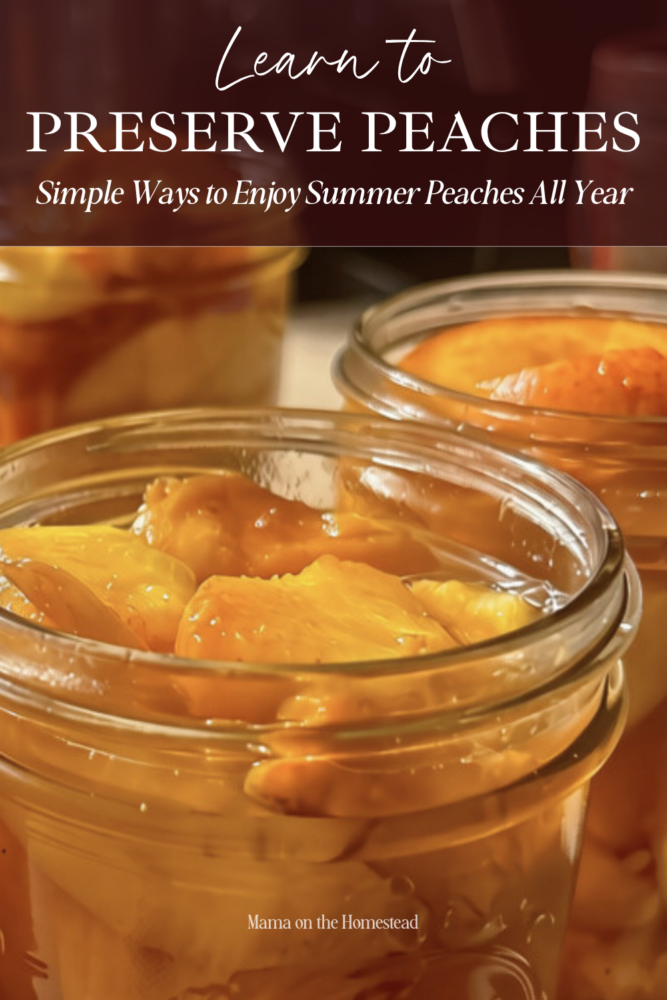
Learn how to preserve peaches with simple canning and freezing methods. This beginner-friendly guide covers peach prep, storage, freezing tips, and more.
There is nothing quite like biting into a ripe peach in the middle of summer. They are sweet, juicy, a little messy, and SO good!
If you have a peach tree producing more fruit than your family can eat, picked up a bushel from a local farmer, bought 60 pounds from a school fundraiser without a plan (looking at myself here), or just found a really good deal at the grocery store, preserving them is a simple way to enjoy that summer flavor long after peach season ends.
Let’s walk through how I preserve fresh peaches by canning and freezing, plus a few other simple options if you have more peaches than you know what to do with.
Why Preserve Fresh Peaches?
Food preservation is a foundational homesteading skill to keep in your tool belt.
Preserving your peaches allows you to take advantage of a big harvest or a seasonal sale without watching half of your fruit spoil on the kitchen counter. It can save money, reduce food waste, and help you stock your pantry and freezer with food to use throughout the year.
And you don’t have to grow your own peaches to preserve them!
I talk about this often when it comes to homesteading; you can practice food preservation even if you don’t have a huge garden or acres of fruit trees. Buy produce in season when it is inexpensive, purchase directly from a local farmer, visit a U-pick orchard, or grab a box from the farmers market.
How to Preserve Peaches: 2 Methods for Preserving the Peach Harvest
The two methods I use most often are water bath canning peaches and freezing peach slices. I like to do some of each because they serve different purposes in my kitchen. Canned peaches give me a shelf-stable option that is ready to pull straight out of the pantry, while frozen peaches are wonderful for smoothies, cobblers, fruit leather, and other recipes.
Choosing the Best Peaches for Preserving
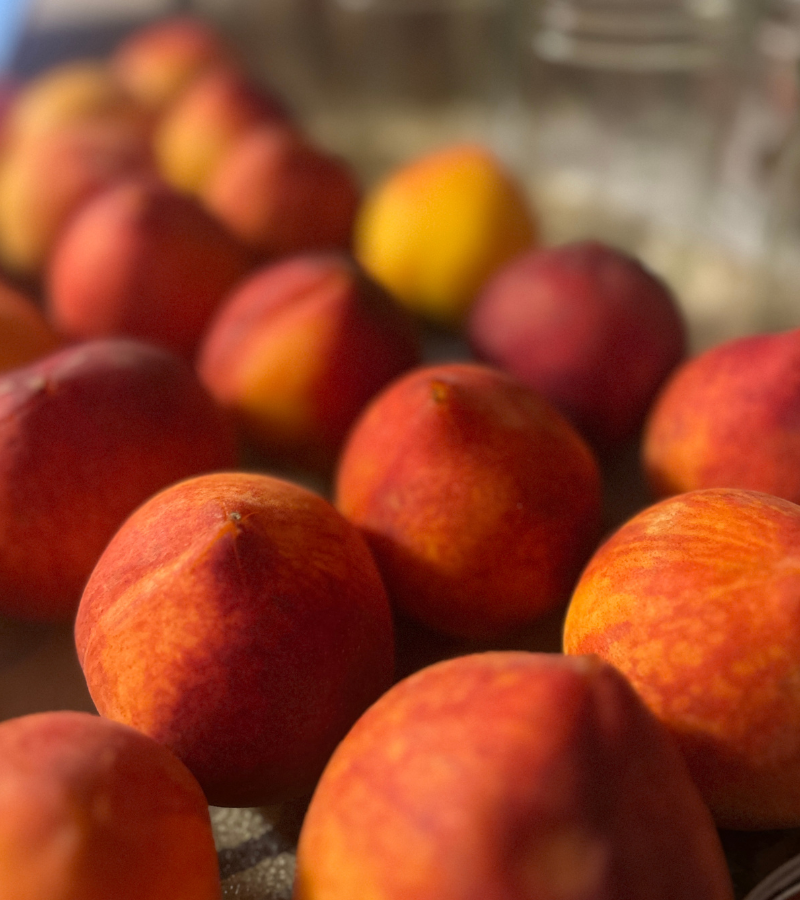
Start with ripe, good-quality peaches. You want them to be fragrant and fully ripe, but still firm enough to hold their shape.
Save the super-soft or bruised peaches for something like peach jam, peach butter, fruit leather, or puree. They are still perfectly useful, but very soft peaches can turn mushy when canned or frozen.
Freestone peaches are my favorite for preserving because the flesh separates from the pit easily. Clingstone peaches can still be preserved, but you’ll spend a little more time getting the fruit away from the pit.
Supplies You’ll Need:
You don’t need a ton of special equipment to get started.
Once everything is ready, you can start working through those peaches!
My favorite canning lids are from ForJars! The are thicker and more durable than lids that I have been using from the grocery store (Ball and generic store brands).
1. How to Can Peaches
Canning Peaches in a Water Bath Canner
If you’re nervous about canning, water bath canning is a great place to start. I actually recommend learning to water bath can high-acid foods before jumping into pressure canning.
Peaches can be preserved using a boiling water canner when you follow a tested canning recipe and the correct processing time for your jar size, packing method, and elevation.
Canning Safety Note: Processing recommendations can vary depending on whether you use a raw pack or hot pack, pint or quart jars, and your elevation. Always compare your method with a current tested canning recipe and adjust processing time for your elevation before beginning.
Step 1: Prepare the Peaches
Start by washing your peaches. Peel the skin away, remove the pits, and slice the fruit into wedges.
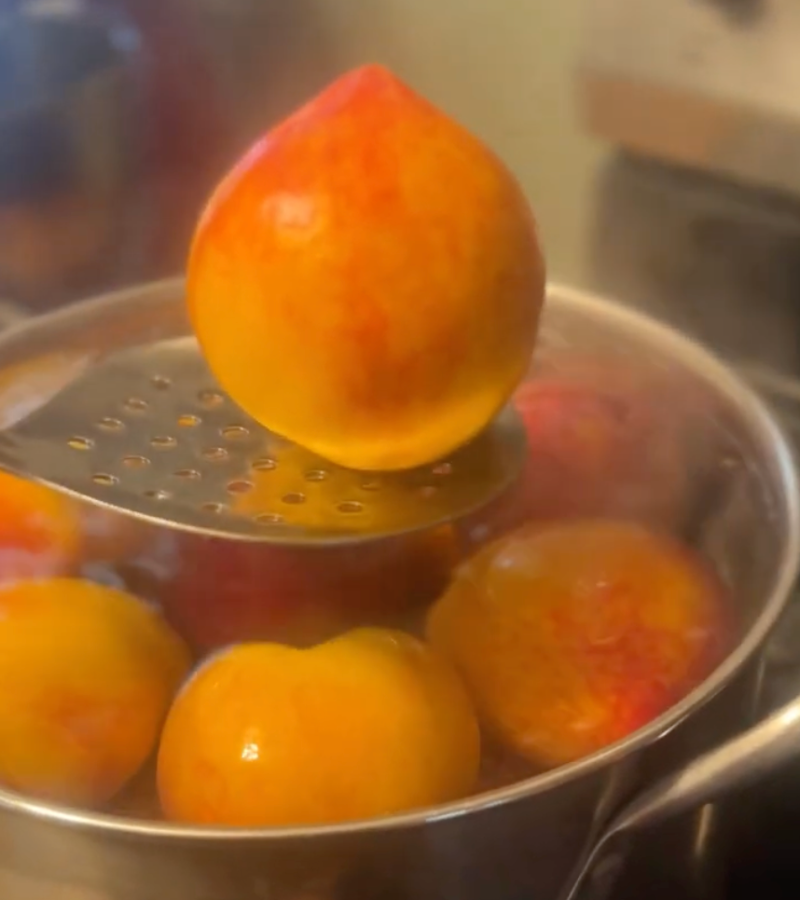
If you have a big batch of peaches that refuses to peel easily, don’t stand at the counter fighting with every single one. Blanch them!
Drop the peaches into boiling water for about 30-60 seconds and then immediately transfer them into an ice-water bath. The skins should slide off much more easily.
Step 2: Pack the Peach Slices Into Jars
Pack the peach slices into clean canning jars. I pack mine pretty tightly because peaches will settle during processing, but don’t smash the fruit into the jar. Arrange the slices so you eliminate as much empty space as possible while keeping the peaches intact.
Step 3: Make the Simple Syrup
For my peach syrup, I use:
2 cups granulated sugar
6 cups water
Add the sugar and water to a saucepan and heat until the sugar has completely dissolved. This gives the peaches a lightly sweet syrup without making them overwhelmingly sugary.
It’s also important to know that the sugar isn’t what makes canned peaches safe. If you’re trying to reduce the sugar in your pantry, peaches can also be canned in water or certain unsweetened fruit juices when following an approved recipe.
Step 4: Fill the Jars
Carefully pour the hot syrup over your packed peaches, leaving ½ inch of headspace at the top of the jar.
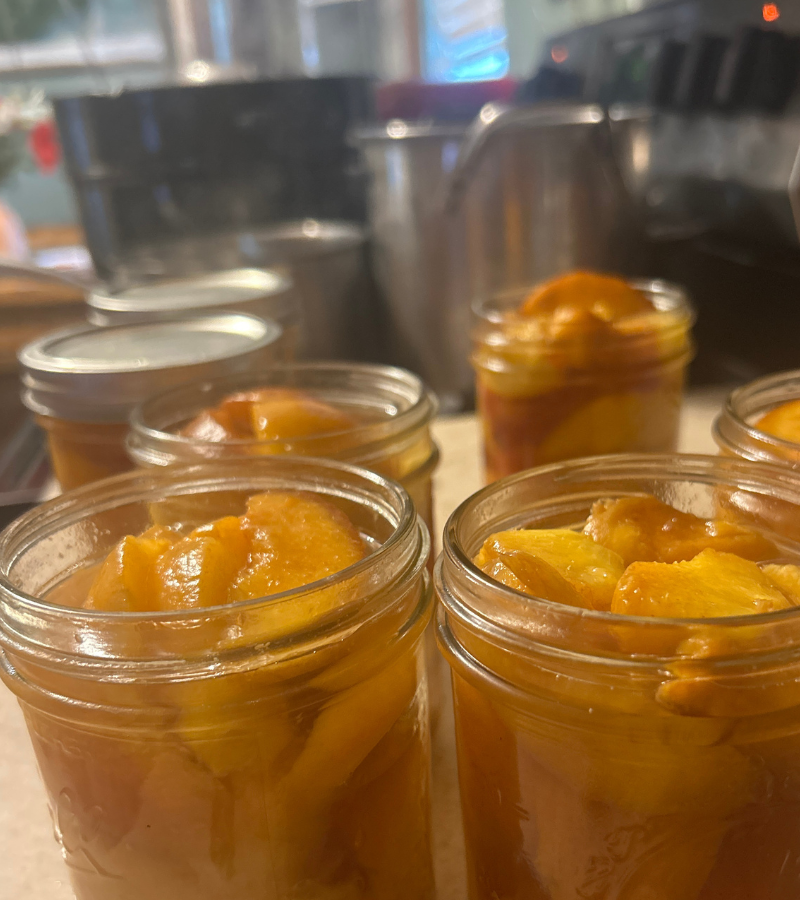
Run a bubble remover or other nonmetallic utensil around the inside of the jar to release trapped air bubbles. Check the headspace again afterward and add a little more syrup if necessary.
Wipe each jar rim clean with a damp cloth. Add the lid and screw the band on until it is fingertip-tight. You don’t need to crank the band down as tightly as possible.
Step 5: Process the Peaches in a Water Bath
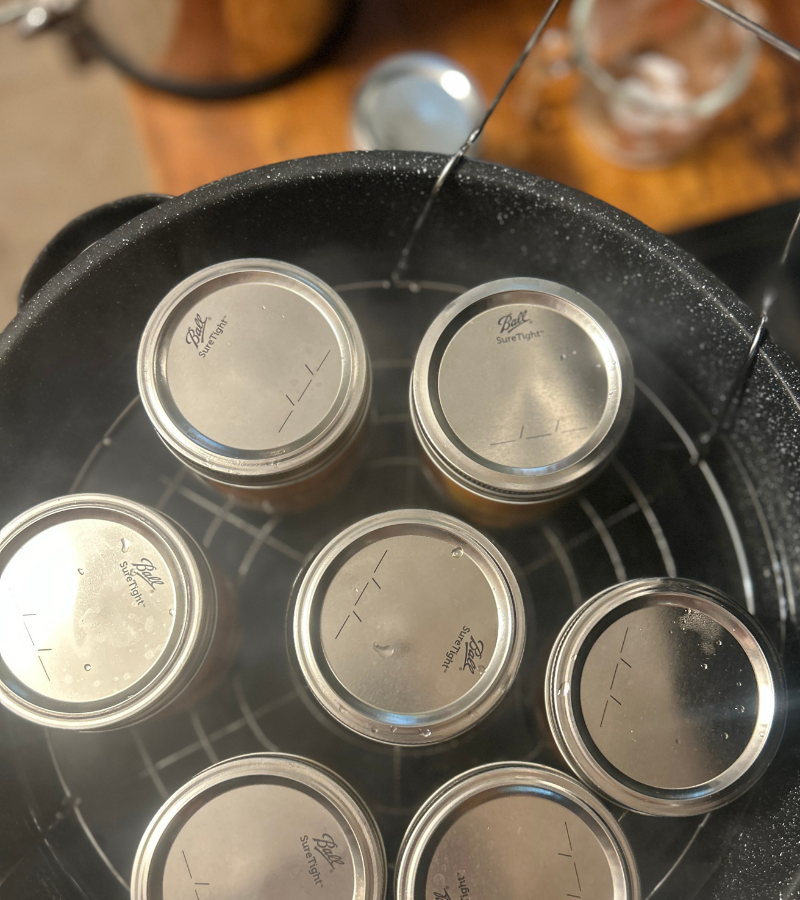
Place the prepared jars into your water bath canner according to your tested recipe.
For my process, I bring the canner to a full rolling boil and process my jars for 25 minutes. Again, beginners should check the processing recommendation for their specific jar size, packing method, and elevation rather than assuming one processing time applies to every batch.
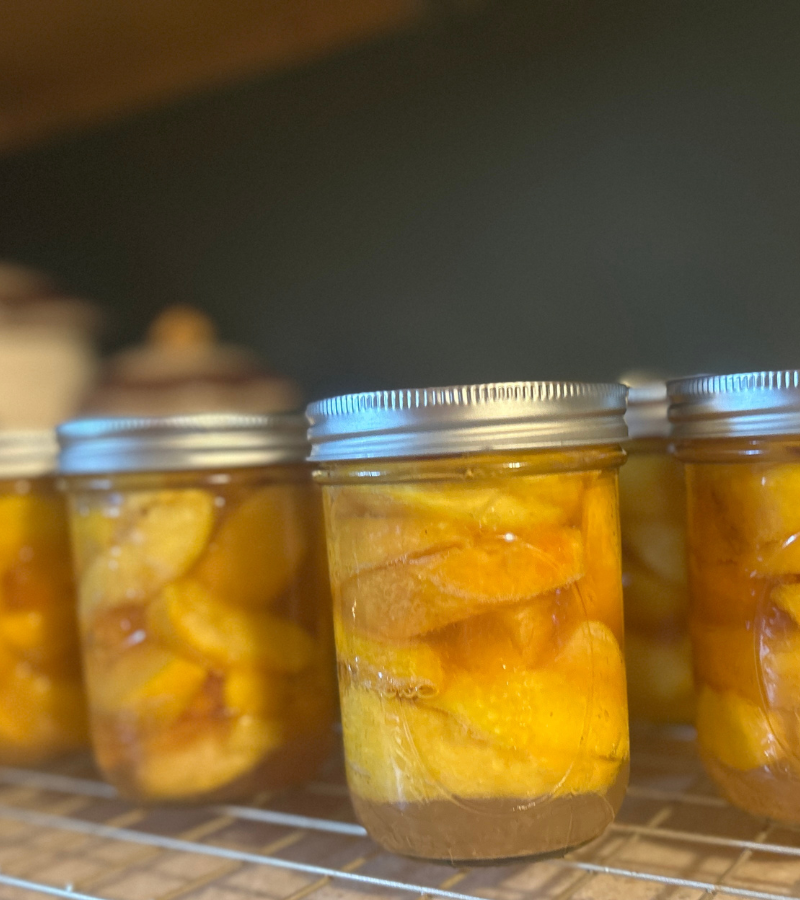
Once the jars have finished processing, carefully remove them with a jar lifter and place them upright on a towel or cooling rack where they won’t be disturbed.
Let the jars cool for 12-24 hours.
You’ll probably hear some of those wonderful little pops as the lids seal! Once everything is completely cool, check the seals before moving your peaches into pantry storage.
How Long Do Home-Canned Peaches Last?
For the best quality, plan to use your home-canned peaches within about 12-18 months. Keep the jars in a cool, dark place away from excessive heat and direct sunlight.
Once you open a jar, move it to the refrigerator and try to use the peaches within about a week.
Preserving food is one of my favorite basic homestead skills because you can start wherever you are. Whether you’re learning how to preserve peaches, freeze sweet corn, or dry herbs from the garden, every little bit you put away helps stock your kitchen for later.
2. How to Freeze Peaches
Freezing Fresh Peach Slices
If canning isn’t your thing yet or you just want to add an additional peach preservation method, you can freeze some of your peaches!
Freezing is probably the easiest way to preserve peaches, and I love having bags of frozen peach slices ready to grab throughout the year.
Step 1: Prepare the Peaches
Wash, peel, pit, and slice the peaches just like you would for canning.
Again, blanching the peaches for 30-60 seconds and transferring them to an ice bath can make peeling much easier (although peeling isn’t required).
Step 2: Soak the Peaches to Prevent Browning
Peaches start to oxidize pretty quickly after they’re cut, so I soak my slices in a simple lemon juice bath before freezing.
Mix:
4 cups water
2 TBSP lemon juice
Place the peach slices into the lemon water for about 5 minutes and then drain them well.
And here’s a little real-life kitchen substitution for you: I’ve used lime juice because I somehow managed to be completely out of lemon juice. It worked just fine for my frozen peaches!
Step 3: Flash Freeze the Peach Slices
Line a baking sheet with parchment paper or a silicone baking mat and spread the peach slices into a single layer.
Try not to let them pile on top of each other. Freezing them separately first keeps all of your beautiful peach slices from becoming one enormous frozen peach brick.
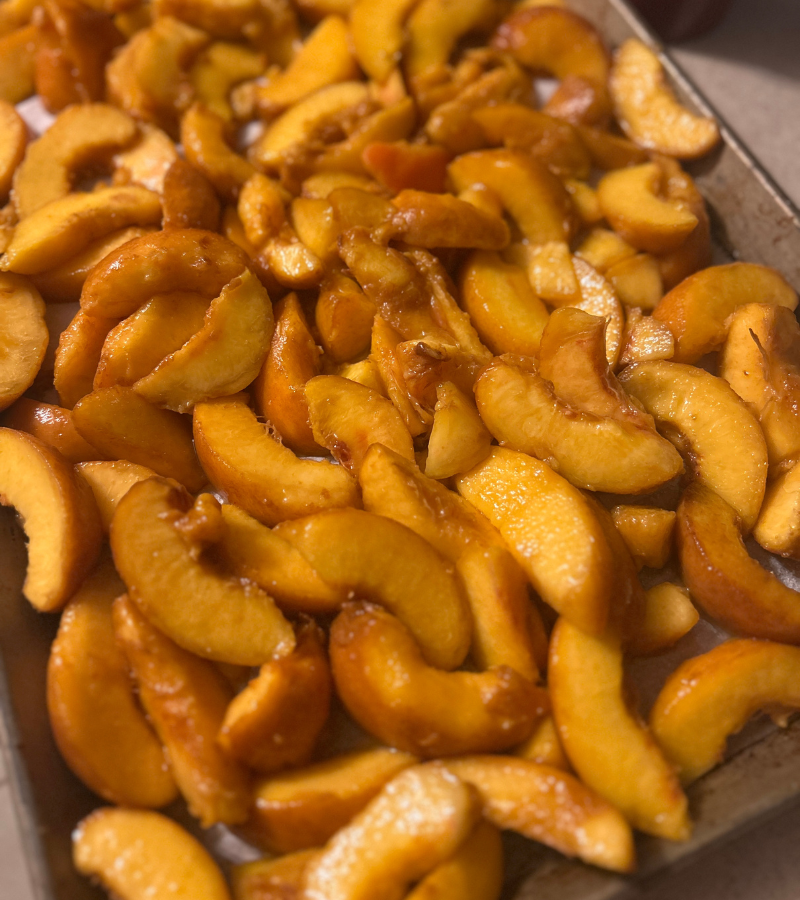
I lightly sprinkle the slices with sugar and let them sit for about 5 minutes before freezing. The sugar pulls a little juice from the peaches and helps maintain their texture.
Put the entire baking sheet into the freezer for several hours, or until the peach slices are frozen solid.
Once frozen, transfer the peaches to freezer bags, press out as much air as possible, label them with the date, and return them to the freezer.
If you preserve a lot of food every year, a vacuum sealer can be really helpful here. Removing that extra air reduces freezer burn and helps your frozen food maintain its quality longer.
How Long Do Frozen Peaches Last?
For the best quality, use your frozen peaches within about 8-12 months.
They aren’t necessarily going to turn terrible the second they hit the one-year mark, but the texture and flavor will gradually decline.
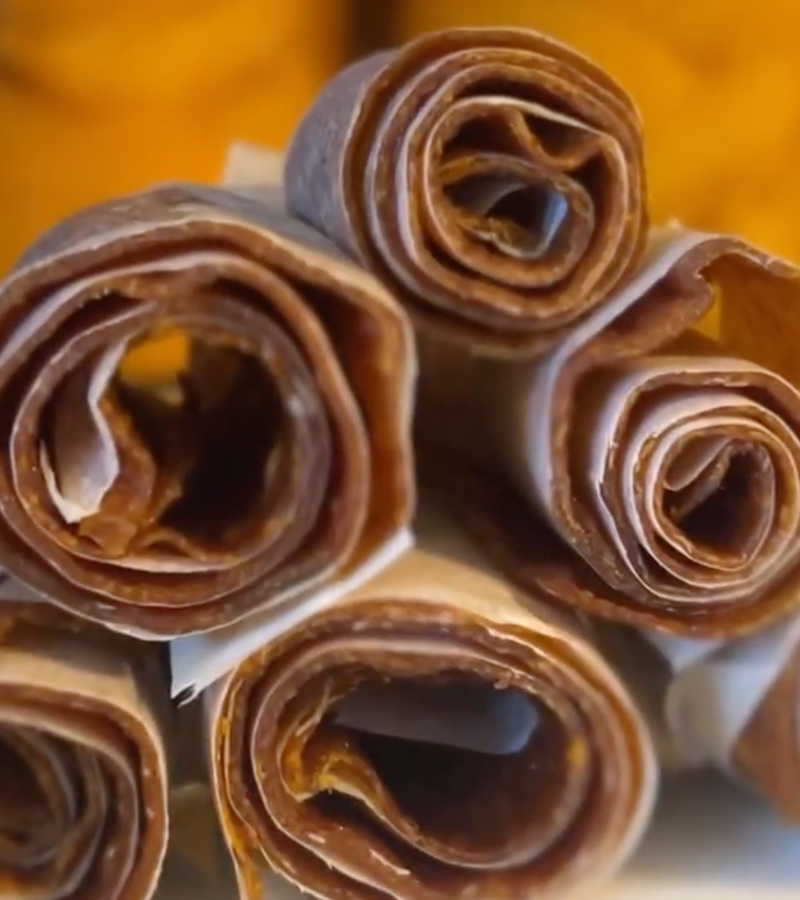
I actually used the last of one batch of my frozen peaches to make peach fruit leather, and it worked great!
Other Ways to Freeze Peaches
Flash-frozen slices are my favorite because I can reach into the bag and grab exactly what I need, but that’s definitely not your only option.
Freeze Peaches in Syrup
You can pack peaches into freezer-safe containers and cover them with cooled simple syrup. This helps keep the peaches from drying out and works especially well if you want a softer fruit for desserts later.
Remember to leave room for expansion.
If you use mason jars in the freezer, choose freezer-safe, wide-mouth jars without shoulders and leave adequate headspace. Liquid expands when it freezes, and you don’t want to open the freezer to find a broken jar.
Freeze Peach Puree
Puree peeled peaches in a blender or food processor with a little lemon juice to help preserve their color.
Pour the puree into freezer-safe containers or ice cube trays. Those little cubes are handy for smoothies, homemade baby food, yogurt, popsicles, sauces, and baking.
Freeze Whole Peaches
Yes, you can freeze the whole peach!
Wash and dry the peaches thoroughly and put them into the freezer. The skin is actually pretty easy to remove after the peach thaws.
Whole peaches take up more freezer space, though, so this isn’t usually my first choice if I’m working through a large harvest. You can also peel, pit, and halve them before freezing, if you want, to cut down on prep work later.
Make Peach Freezer Jam
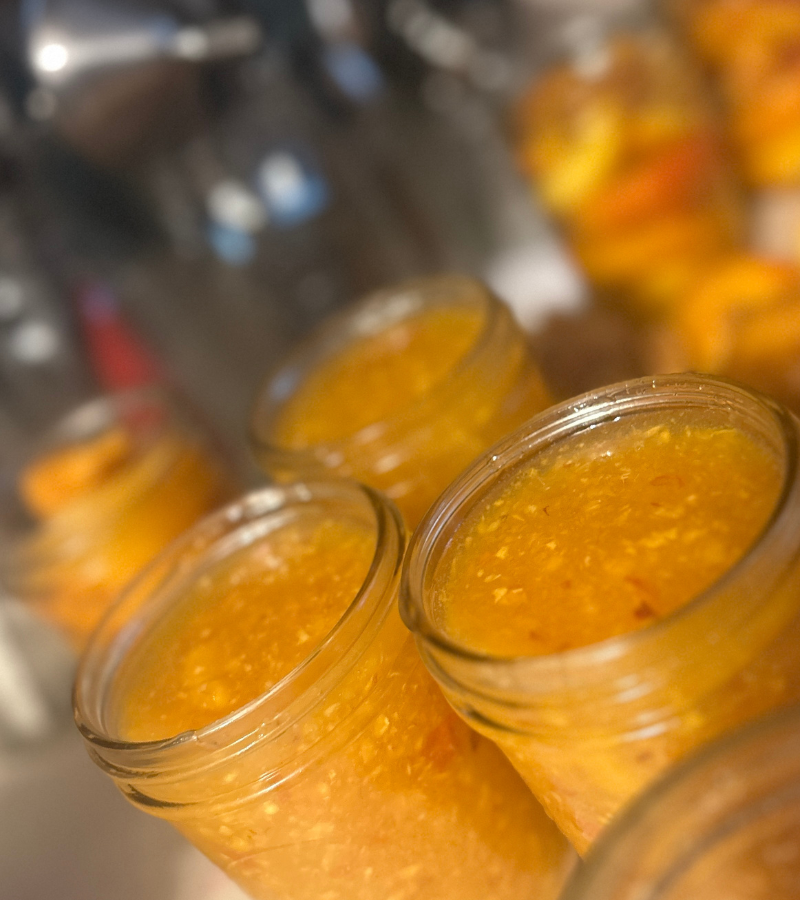
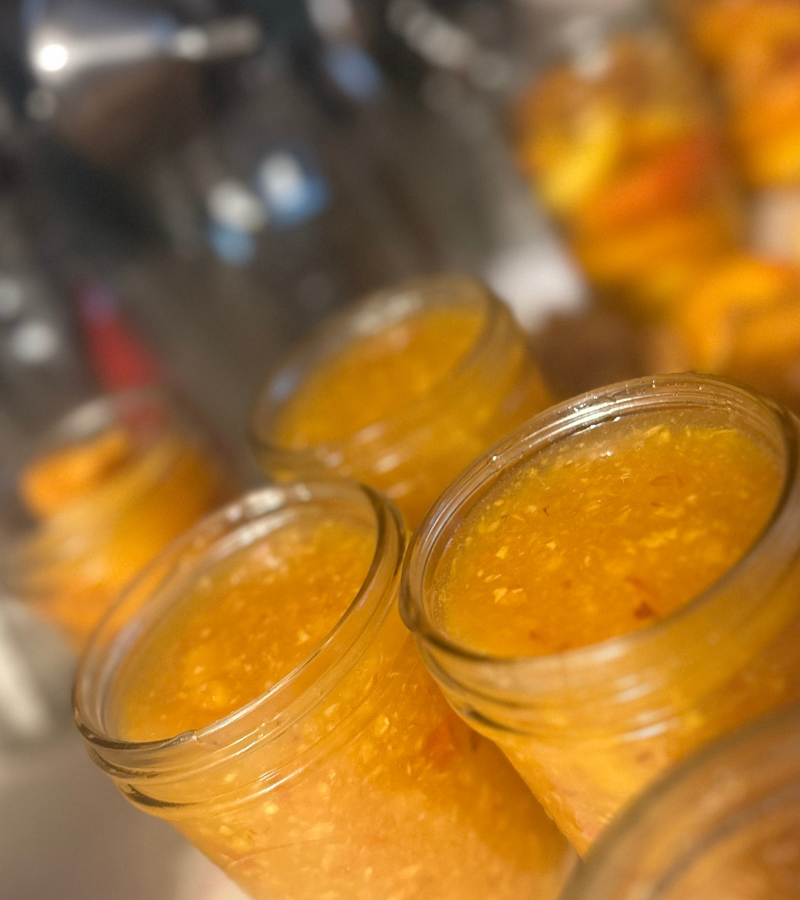
Freezer jam is another good option if you aren’t ready to start canning. Actually, this is a great option either way because peach freezer jam is delicious!
Unlike traditionally canned jam, freezer jam isn’t processed in a water bath canner. It is stored in the freezer instead.
Because freezer jam isn’t cooked as much, it maintains a really nice fresh peach flavor. Use it on homemade biscuits, sourdough toast, pancakes, waffles, yogurt, or even vanilla ice cream.
Freeze Peach Pie Filling
If you already know that some of those peaches are destined to become pie this fall or winter, go ahead and do some of the work now.
Prepare your peaches with sugar, cinnamon, nutmeg, lemon juice, and the appropriate thickener. If you are preserving a pie filling with a thickener such as Clear Jel, be sure to follow a tested recipe.
Freeze the filling flat in gallon freezer bags and you’ll have a huge head start when you’re ready to bake.
Ways to Use Preserved Peaches
This is the fun part!
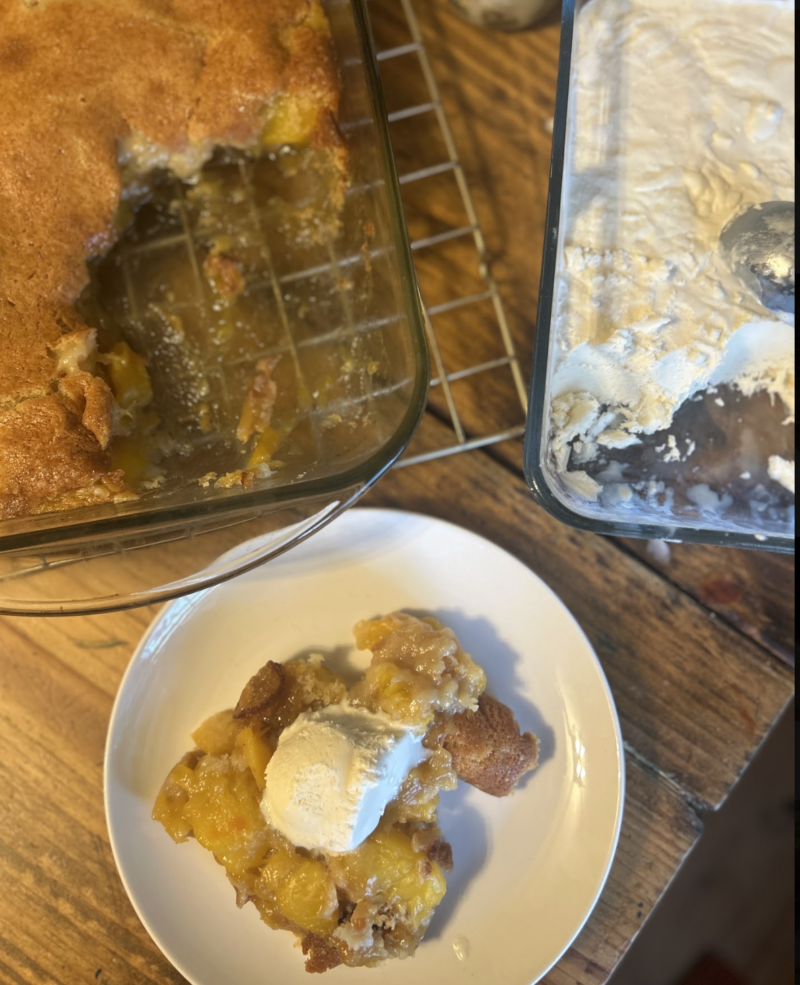
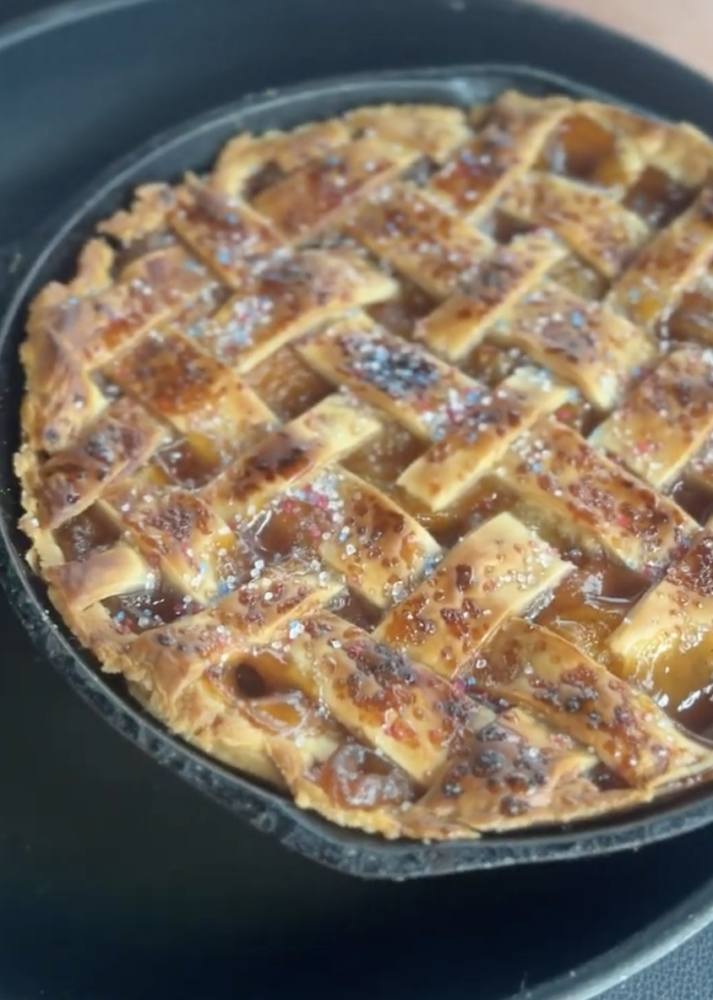
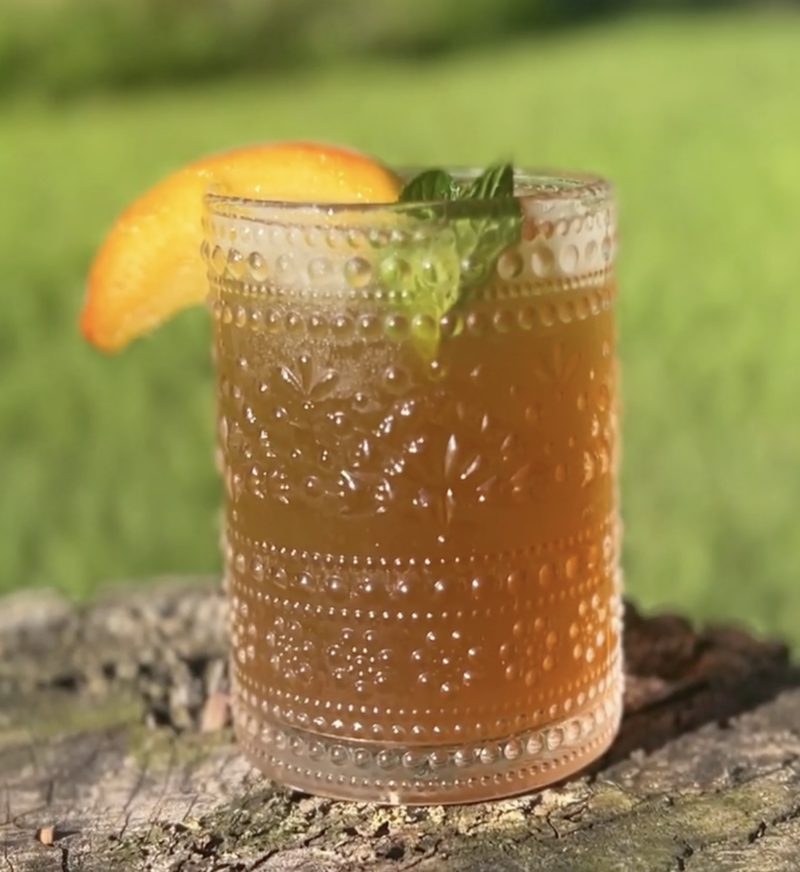
Pull your canned or frozen peaches out throughout the year to make peach cobbler, crisps and crumbles, pies, smoothies, oatmeal, overnight oats, yogurt parfaits, homemade ice cream, fruit leather, muffins, pancakes, sourdough peach cake, fruit salad, peach salsa, peach tea, or even homemade peach barbecue sauce.
Having the fruit already washed, peeled, sliced, and preserved makes all of those recipes much easier to throw together.
A Few Tips Before You Start
Frequently Asked Questions: How to Preserve Peaches
Do You Have to Peel Peaches Before Preserving Them?
No. Peach skin is edible, so technically you don’t have to peel your peaches before freezing them.
I usually do, though.
The skins can become a little chewy after freezing, and they may separate from the fruit during canning. If we’re going to eat the peaches straight from the jar or use them in desserts, I prefer the smoother texture of peeled peaches. However, if I am making freezer jam, puree, or fruit leather, I might leave the skins on.
Can You Preserve Peaches Without Sugar?
Yes!Sugar helps canned and frozen peaches maintain their flavor, color, and texture, but it isn’t the ingredient that makes them safe to preserve.
Depending on the tested recipe you’re following, peaches may be canned in water or unsweetened fruit juice, including apple or white grape juice.
You can also freeze peaches without adding sugar. Just use the lemon juice bath to help reduce browning and freeze them as usual.
They may be a little softer once thawed, but they’ll still work wonderfully for smoothies, cobblers, sauces, and other cooked recipes.
Can you can peaches without a pressure canner?
Yes. Peaches can be processed in a boiling water bath canner when following a tested recipe. You don’t need a pressure canner for this project.
Why do frozen peaches turn brown?
Peaches oxidize quickly once the flesh is exposed to air. An acidic pretreatment, like the lemon juice bath I use, helps slow down the browning process.
Can you freeze peaches with the skin on?
Yes. I prefer to remove the skin because it can become tough after thawing, but you can freeze peaches with the skin intact.
What are the best peaches for canning?
Freestone peaches are generally the easiest to preserve because the pit separates cleanly from the flesh. This makes prep much faster when you’re working with a large batch.
Do frozen peaches get mushy?
They will be softer after thawing than they were when fresh. Freezing creates ice crystals that affect the structure of the fruit.
That’s why I especially like frozen peaches for smoothies, baking, fruit leather, sauces, cobblers, and other recipes where a perfectly crisp fresh-peach texture isn’t necessary.
Pin “How to Preserve Peaches: Easy Canning & Freezing Methods” for Later